
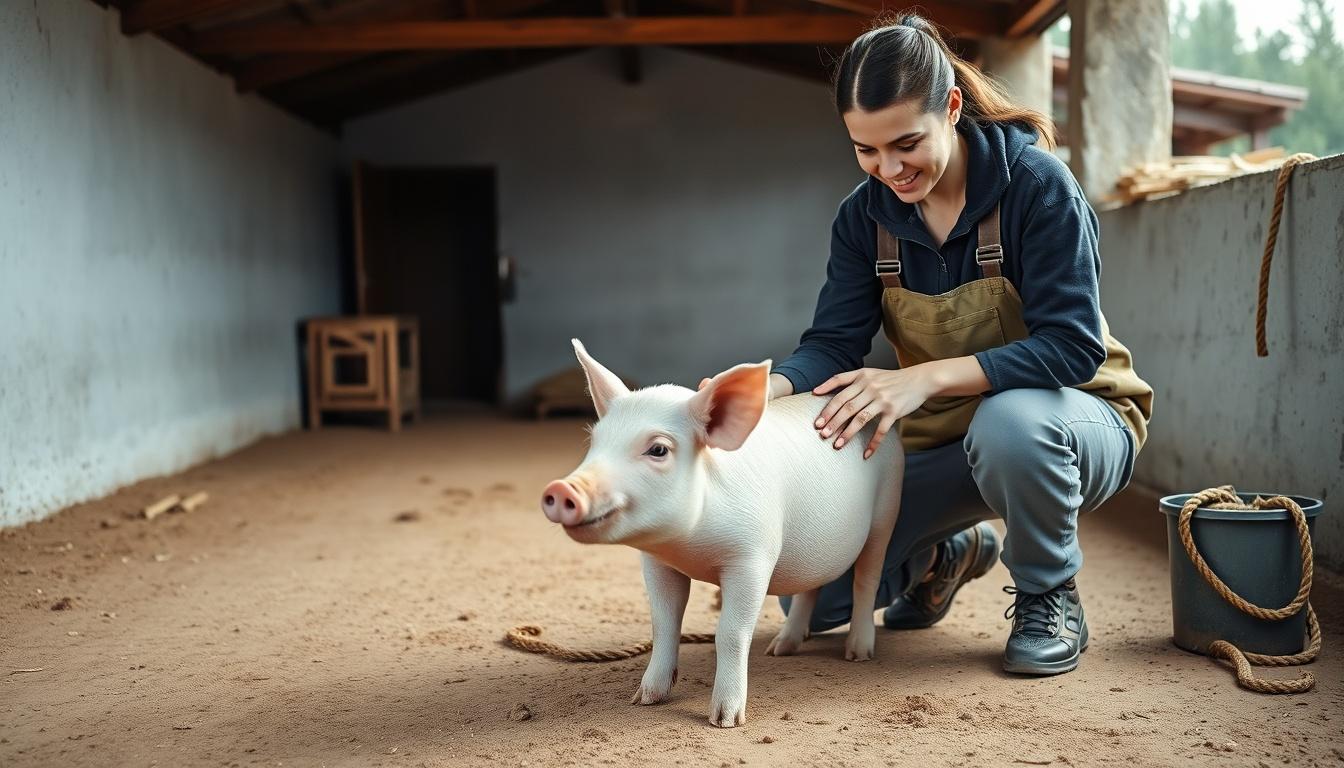
Practical Notes From the Training Pen
Good training starts with observation. Before changing a routine, I watch how the animal moves, reacts, and settles in different situations. Small details often explain more than big theories, and they help you choose a method that fits the animal in front of you.
Consistency matters more than intensity. Short sessions, clear signals, and calm timing usually bring better progress than long, stressful drills. For pets and small farm animals alike, the goal is to make handling predictable so the animal can understand what comes next.
Real-world advice for calmer handling and steadier routines.
I write about what has worked in daily animal care, with simple steps you can test and adjust.
Care and training work best together. Feeding routines, space, rest, and gentle handling all affect how an animal learns. When those basics are stable, training becomes easier to repeat and easier to read.
I also share setbacks honestly, because not every method works the first time. Some animals need more time, some need simpler steps, and some need a different approach altogether. That is part of practical animal handling, and it is worth keeping in mind before expecting quick results.